
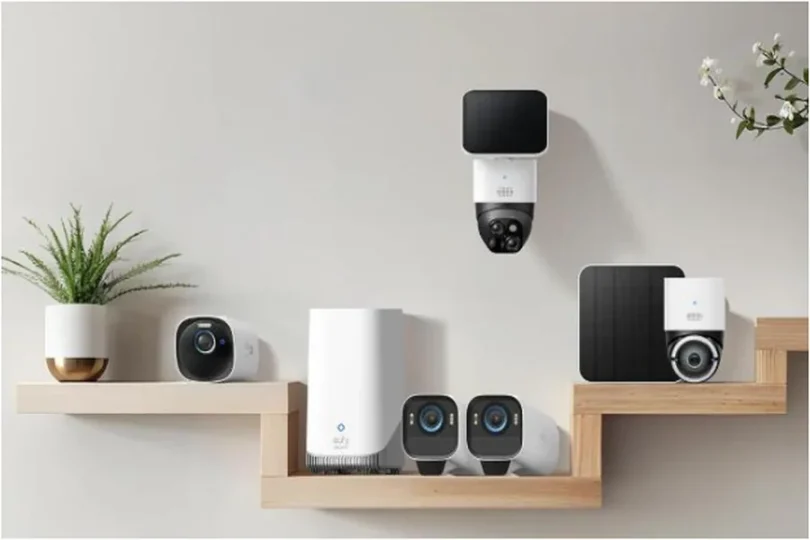

Improving solar camera charging efficiency starts with understanding how sunlight, positioning, settings, and maintenance all influence the performance of a solar security system. A solar camera relies entirely on the ability of its panel to capture light and convert it into energy. When that process becomes interrupted or weakened—whether by shade, dirt, poor angles, or unnecessary power use—the camera struggles to maintain a full charge. Many homeowners choose dependable options from eufy because they appreciate thoughtful solar integration, but even the best solar powered security camera benefits from proper setup. By optimizing a few key factors, you can greatly improve charging efficiency and ensure continuous operation.
Optimizing Sunlight Exposure and Panel Setup
Position the Panel Where It Receives Consistent Sunlight
The most important step in improving charging efficiency is choosing a placement that receives strong, consistent sunlight throughout the day. Solar panels perform best when positioned toward the southern sky in the Northern Hemisphere or the northern sky in the Southern Hemisphere. This orientation ensures the panel receives the most direct sunlight possible. Avoid placing the camera under roof overhangs, behind trees, or in areas where nearby buildings cast long shadows. Solar cameras from eufy are designed to work efficiently, but sunlight remains the biggest factor in overall performance. Reviewing your yard during different times of day helps identify the best long-term spot.
Adjust the Angle Seasonally for Optimal Absorption
The angle of the panel influences how effectively it captures the sun’s rays. During winter months, the sun sits lower in the sky, so the panel should tilt upward slightly. In summer, when the sun rises high, a flatter angle often works better. Even a modest adjustment can significantly increase the total energy collected each day. Some users adjust their panels twice a year, while others make small tweaks more regularly. Tilting the panel to match the sun’s position reduces wasted light and maximizes daily power intake, allowing the camera to maintain a strong charge even during shorter daylight periods.
Keep the Panel Clean to Prevent Light Obstruction
Dust, pollen, bird droppings, and debris accumulate over time. Even a thin layer can reduce energy absorption. Cleaning the solar panel gently with a microfiber cloth and water every few weeks helps maintain peak performance. In dusty or windy environments, the panel may require more frequent attention. Be cautious not to scratch the surface, as scratches reduce clarity and efficiency. Many homeowners underestimate how much debris can impact charging, but a clean panel collects noticeably more energy. eufy solar cameras are engineered for outdoor use, but routine cleaning ensures the solar surface performs at its highest potential.
Reducing Power Consumption and Enhancing System Efficiency
Adjust Motion Detection Settings to Reduce Unnecessary Activity
Motion detection uses power each time the sensor triggers, especially when recording or sending notifications. If the sensitivity is set too high, the camera may activate for minor movement, such as insects or shifting shadows. These unnecessary triggers drain the battery. Fine-tune the detection zones and tighten the activity areas so the camera focuses on meaningful motion—walkways, driveways, or entrances. Many cameras, including those from eufy, allow custom detection regions that help filter out background movement. Reducing non-essential triggers preserves energy and leaves more power available for important events.
Use Power-Saving Modes When Appropriate
Most solar security cameras include optional modes that reduce energy consumption during periods of low sunlight. These may limit nighttime recording, reduce clip length, or adjust the refresh rate of live streaming. Power-saving modes are especially helpful during winter months, cloudy seasons, or times when the camera receives less sun. Enabling these settings does not significantly limit security if configured correctly. Instead, they balance energy use so the device stays charged. Reviewing the camera’s energy usage chart helps you decide when to activate conservation features for the best long-term results.
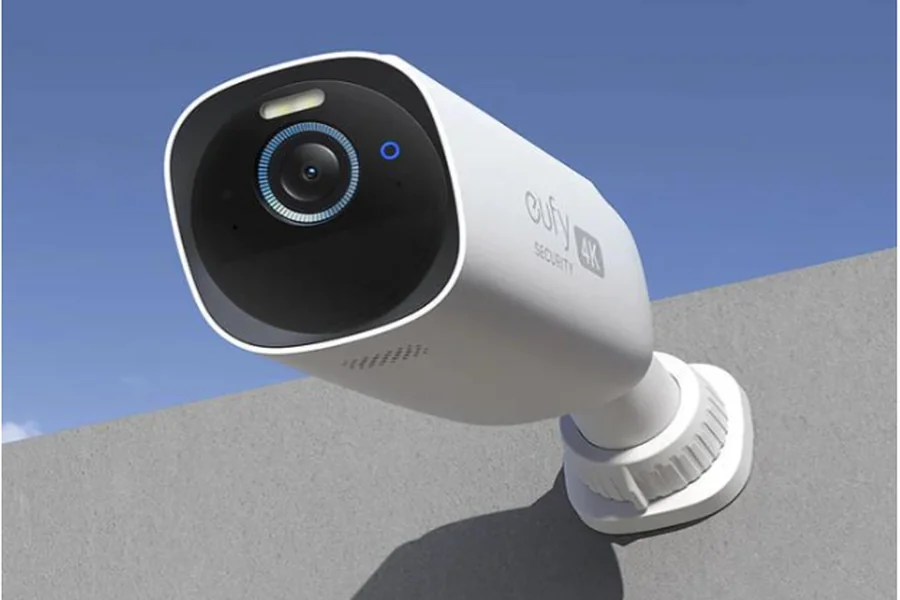
Install the Camera in a Temperature-Stable Environment
Extreme temperatures influence how well a battery stores and releases energy. High heat causes the battery to work harder, while very cold temperatures temporarily reduce capacity. Installing the camera in a location with some natural airflow—such as under the corner of a gutter or slightly shaded by a structure—helps moderate temperature without blocking sunlight from the solar panel. Avoid placing the camera flush against walls that trap heat or in areas where snow collects and reflects too much cold onto the unit. A stable thermal environment helps the camera maintain efficiency and improves long-term battery health.
Conclusion
Improving solar camera charging efficiency requires thoughtful placement, smart configuration, and simple maintenance habits. By positioning the panel in strong sunlight, adjusting its angle seasonally, and keeping the surface clean, homeowners ensure the device collects as much energy as possible. Reducing unnecessary motion triggers, enabling power-saving modes, and protecting the camera from extreme temperatures further support consistent performance. Many users appreciate how well-engineered eufy solar cameras respond to optimized setups, but the core principles apply to any solar-powered device. With the right adjustments, your solar camera charges faster, stays powered longer, and performs reliably—giving you continuous security without manual charging.