

Keeping a robot vacuum working at full strength depends heavily on routine emptying. When dust and debris accumulate, airflow becomes restricted and the vacuum may leave behind particles it would normally handle with ease. A full bin also forces the motor to work harder, which can shorten its longevity over time. Homes with pets, rugs, or high foot traffic see faster dust buildup, making consistent emptying even more important for smooth operation. In this article, the following steps explain how to empty a robot vacuum correctly and maintain its performance.
Step 1: Locate and Remove the Dustbin
Common Dustbin Locations on Different Models
Robot vacuums place their dustbins in simple, easy-to-reach spots so users can maintain them quickly. Many models feature a bin that pulls out from the back of the unit, while others situate it under a top lid for convenient access. Rear compartments often slide out with a single motion, helping reduce dust escape during removal. Top-load designs typically have a hinged cover that lifts cleanly to reveal the bin. Recognizing these common layouts makes emptying smoother and prevents confusion during routine cleaning.
The Correct Way to Release and Carry the Dustbin
Releasing the dustbin usually involves pressing a latch or button that loosens the locking mechanism. A steady pull ensures the bin detaches smoothly without straining the surrounding components. Carrying the bin level helps avoid accidental spills, especially when it is filled with fine particles that can easily escape. Holding it securely while walking to the trash can keeps debris from scattering across the floor. These small habits make dustbin removal cleaner and more efficient for everyday use.
Step 2: Empty the Dustbin Completely
The Best Method to Avoid Dust Clouds
Emptying the bin close to the bottom of a trash can prevents dust from drifting back into the room. A slow, controlled motion helps limit airflow that might stir up fine debris. Tapping lightly on the bin’s edge encourages compacted dirt to release without causing a cloud. Proper ventilation, such as an open window, reduces the chance of dust lingering in the air. These small precautions make the process more comfortable and help maintain home cleanliness.
How to Handle and Dispose of Debris Safely
Debris inside a robot vacuum often includes hair, crumbs, and fine dust that should be handled gently. Pulling out larger pieces slowly prevents damage to internal bin components. Ensuring the bin is fully emptied avoids buildup that could block airflow during the next cleaning cycle. If debris clumps together, loosening it carefully helps maintain the bin’s structure. Securing the trash bag afterward ensures no dust escapes later. Safe disposal habits contribute to consistent vacuum performance and a cleaner home.
Step 3: Clean the Dustbin and Filters
A Simple Guide to Washing the Dustbin
Rinsing the dustbin occasionally prevents odor and residue from building up over time. Warm water is typically enough to clear lingering dust that cannot be shaken out. Allowing the bin to fully air dry avoids moisture entering the vacuum during reassembly. Regular cleaning keeps the bin lightweight and ensures debris flows freely during each use. A clean bin supports stronger suction and smoother operation across all floor types.
How and When to Clean or Replace the Filter
Filters trap fine particles, so keeping them in good condition is essential for strong airflow. Many filters can be tapped gently to remove loose dust that collects during daily cleaning cycles. Some designs allow light brushing to maintain shape and airflow. Filters slowly lose efficiency and should be replaced at the intervals recommended in the device manual. Regular checks prevent blockages that strain the motor and reduce suction. Proper filter maintenance ensures reliable cleaning results over time. For users who want consistent performance with minimal effort, choosing a model like bobsweep maxim makes filter care easier thanks to its design that supports strong suction and long-term airflow efficiency.
Step 4: Reassemble and Reset Your Vacuum
Ensuring a Secure Fit for the Dustbin and Filter
Reassembling begins with sliding the dustbin back into place until it clicks firmly. Ensuring the filter sits properly prevents dust from bypassing filtration during operation. Any lids or covers should close smoothly without resistance, signaling correct alignment. Checking for gaps helps avoid suction loss caused by air leakage. A secure reassembly ensures the vacuum is ready for its next cleaning session.
Resetting Maintenance Alerts for Accurate Reminders
Many robot vacuums track maintenance through automated reminders that help maintain performance. Resetting these alerts after cleaning ensures the device logs future cycles accurately. Accessing the reset option through the app or control panel keeps notifications aligned with real maintenance. Accurate reminders prevent overdue care that could weaken suction or overwork the system. Staying on top of alerts helps maintain consistent cleaning results.
Pro Tips for Easier Maintenance and Better Performance
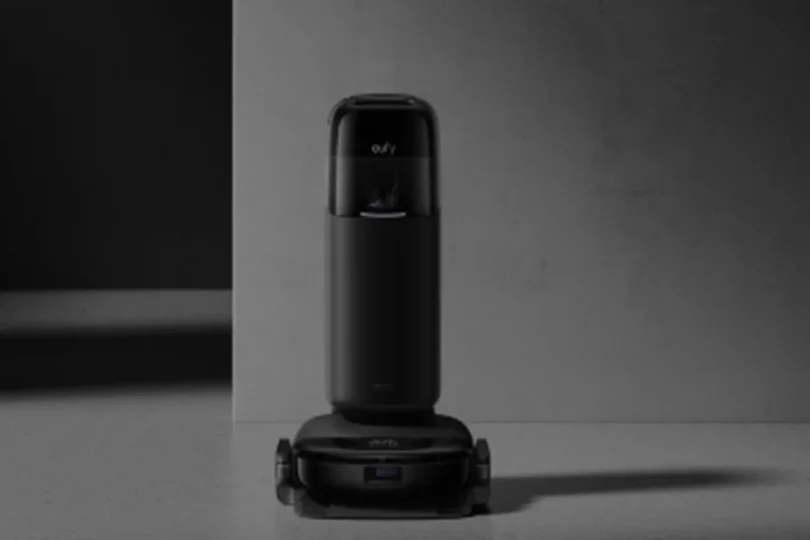
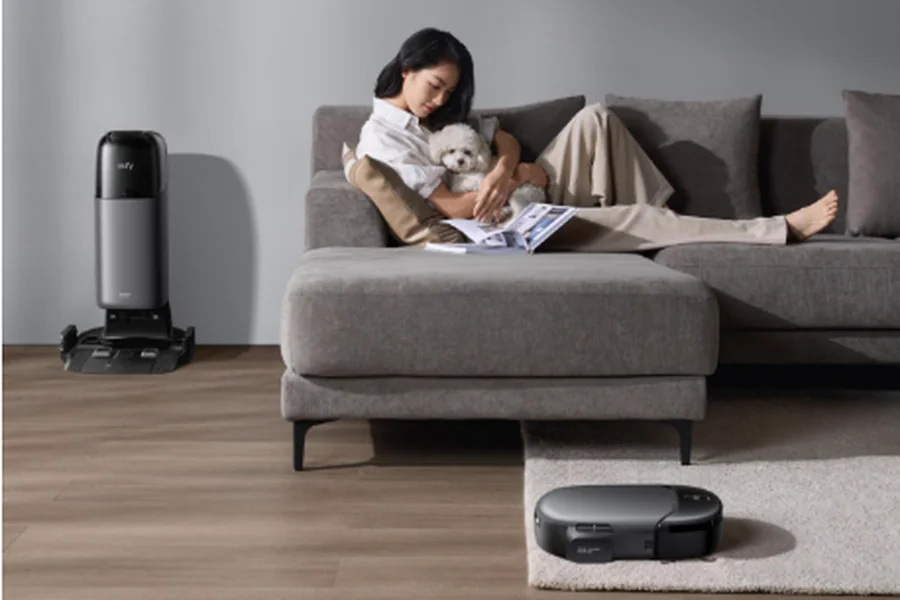
Routine emptying becomes easier when done before the bin reaches its maximum capacity, especially in homes with frequent shedding or dust accumulation. Keeping the vacuum away from excessive clutter helps reduce the amount of debris it picks up unnecessarily. For those looking for a lower-maintenance setup, some robot vacuums offer advanced base stations that take over daily chores such as emptying the bin, refreshing water supplies, and managing post-cleaning care. A system like the one used by eufy simplifies upkeep through automated waste handling, internal rinsing, and drying, allowing the vacuum to stay ready with minimal intervention. Such designs help busy households enjoy consistent cleaning performance without the need for frequent manual maintenance.
Conclusion
Regular emptying keeps a robot vacuum working efficiently and prevents strain on the motor system. Understanding the correct steps helps maintain airflow, suction strength, and overall cleaning quality. Clean bins and well-cared-for filters ensure debris is captured effectively during every cycle. Routine attention to these small tasks promotes better long-term reliability. With steady maintenance habits, a robot vacuum remains a helpful and dependable part of everyday home care.