

In the modern, hectic, digitalized society, acronyms and abbreviations have become irreplaceable components of communication. Since it is quicker to write short words when texting friends or playing some online games, short words are used to make the process easier. OTW is one of such abbreviations that have become popular on several platforms. You may have witnessed somebody post a message such as, I am OTW, or have read it on the comments of social media. But what does OTW really mean? This paper is going to cover all about OTW, its application, examples and much more.
What Does OTW Mean?
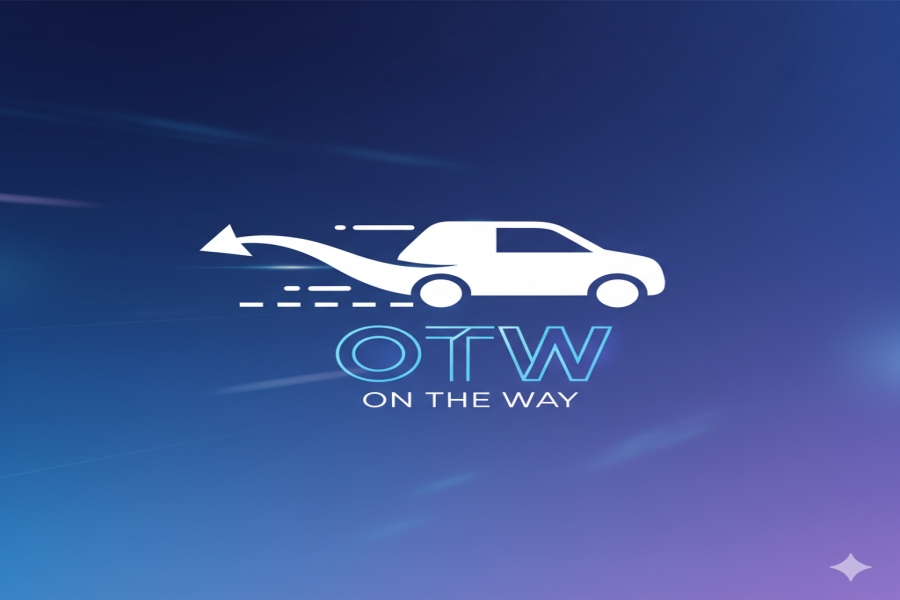
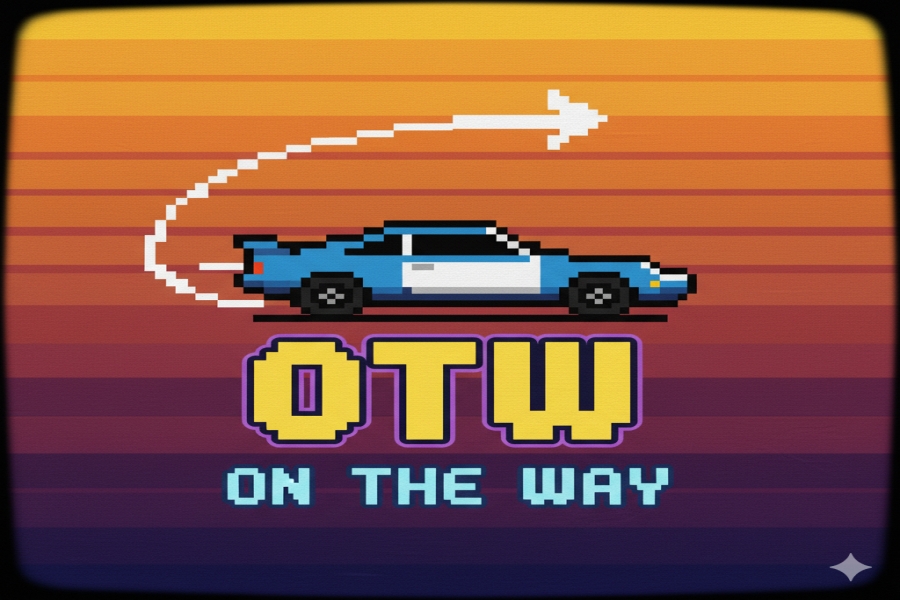
OTW is abbreviated to mean On The Way. It is mostly applied in texting, instant messaging, and social media where a person may be informing someone that he/she is on his/her way to a given place or occasion. To illustrate, when you wait to receive someone and that person sends you a text, telling you that he/she is OTW, then that person is on his/her way to you.
OTW is very easy and yet a very useful communication method of telling people what you are doing without typing a full sentence. OTW has become the subject of a common word in communication today where speed and convenience is of the essence.
OTW in Different Contexts
The basic meaning of OTW is On The Way, although this can be used slightly differently with different contexts. The following are some of the most typical contexts of OTW:
- Texting and Messaging
OTW is most often used in casual texting between friends, family members, or colleagues. For instance:- Friend: “Are you coming to the party?”
- You: “Yes, OTW!”
- Social Media
On platforms like Instagram, Twitter, or Snapchat, OTW can be used in captions or comments to let others know that you are heading somewhere:- Caption example: “OTW to the concert! Can’t wait to see you all!”
- Gaming
In online multiplayer games, OTW can be used to indicate that a player is moving toward a location or joining a team. For example:- Player 1: “Need help at base!”
- Player 2: “OTW, hang tight!”
- Professional Use
OTW may also be present in professional communication, although in a less frequent way, particularly in work-related environments that are dependent on immediate messaging solutions, such as Slack or Microsoft Teams.- Colleague: “Can you join the client meeting?”
- You: “OTW, should be there in 5 mins.”
Why People Use OTW
There are several reasons why OTW has become popular:
- Saves Time: Typing “On The Way” takes longer than just sending “OTW.”
- Convenience: One abbreviation conveys the message clearly.
- Casual Tone: OTW keeps communication light and informal.
- Versatility: It works across texting, social media, and gaming.
In short, OTW is a versatile, time-saving abbreviation that has become a standard in digital communication.
OTW vs Other Common Abbreviations
To better understand OTW, it helps to compare it with other related abbreviations:
| Abbreviation | Meaning | Usage Example | Notes |
| OTW | On The Way | “I’m OTW, see you soon!” | Casual, universal |
| BRB | Be Right Back | “BRB, need to grab water.” | Short-term absence |
| ASAP | As Soon As Possible | “Please send the report ASAP.” | Formal and urgent |
| ETA | Estimated Time of Arrival | “What’s your ETA?” | More formal than OTW |
| LOL | Laugh Out Loud | “That joke was hilarious, LOL!” | For reactions/emotions |
As you can see, OTW is unique because it directly communicates action—specifically, that someone is heading to a place or event.
Common OTW Examples in Sentences
Here are some real-world examples to help you understand how OTW is used naturally:
- Texting a Friend:
“Don’t worry, I’m OTW. Should be there in 10 minutes.” - Social Media Post:
“OTW to my favorite coffee shop for some caffeine therapy!” - Gaming Chat:
“Base is under attack, OTW to help defend it.” - Professional Communication:
“OTW to the office now, running a little late.” - Event Coordination:
“We’re all OTW to the concert, meet us at the entrance!”
OTW in Different Regions
Being popular in the English-speaking countries, OTW is gaining popularity in other parts of the world because of the popularity of social media and the use of instant messaging applications. Young adults, teenagers, and working professionals are all taking OTW as a fast short cut in communication.
Pronunciation and Tone
Interestingly, OTW is not spoken letter by letter in casual speech. Most people simply say, “On the way” when speaking, while typing OTW in text. The tone is typically informal and friendly.
Variations of OTW
While the core meaning remains “On The Way,” there are some variations that people might use depending on the context:
- OTW ASAP – On the Way as Soon as Possible
- OTW Home – On the Way Home
- OTW Now – Emphasizes immediate departure
- OTW to [Place] – Specifies the destination, e.g., OTW to the mall
How to Respond to OTW
When someone texts OTW, your response will usually depend on your relationship and context:
- Friendly Response: “Great, see you soon!”
- Professional Response: “Thanks for letting me know, see you shortly.”
- Excited Response: “Awesome! Can’t wait!”
The key is to match the tone of the original message while keeping it concise.
Advantages of Using OTW
Using OTW offers multiple benefits:
- Efficiency: You convey the same message with fewer words.
- Clarity: No need for long explanations.
- Universality: Almost everyone familiar with texting will understand it.
- Time-Saving: Reduces typing effort, especially when on the move.
OTW in Pop Culture
OTW entered pop culture, where it appears in the lyrics of songs, on memes, and in viral social media posts. It is common in captures done by artists and influencers to show excitement or movement to events. Being informal, it is ideal in such platforms as Instagram and Tik Tok.
OTW vs Other Similar Phrases
| Phrase | Meaning | Difference from OTW |
| On My Way | Same as OTW | Full words, more formal than OTW |
| Coming | I’m coming | Less specific about being en route |
| Heading There | In transit | Slightly more descriptive than OTW |
| Arriving Soon | Will be there soon | Focuses on ETA rather than movement |
Tips for Using OTW
- Keep it Contextual: OTW is casual, so avoid using it in highly formal emails.
- Combine with ETA: If needed, provide an estimated time for clarity: “OTW, ETA 5 mins.”
- Pair with Emojis: In social media, you can pair OTW with 🚗, 🚌, or 🏃♂️ for fun.
- Avoid Overuse: While handy, using OTW in every sentence can feel repetitive.
FAQs About OTW
Q1: Can OTW be used in formal communication?
A1: Generally, OTW is casual. For formal communication, write “I am on the way” instead.
Q2: Is OTW only used in texting?
A2: No, OTW is also popular on social media, gaming chats, and informal workplace messaging.
Q3: What is the difference between OTW and ETA?
A3: OTW means “On The Way,” indicating movement. ETA specifies the estimated arrival time.
Q4: Can I use OTW in emails?
A4: It’s better suited for informal emails. In formal emails, spell out “On the way.”
Q5: Are there similar abbreviations to OTW?
A5: Yes, similar abbreviations include BRB (Be Right Back), ASAP (As Soon As Possible), and LOL (Laugh Out Loud).
Q6: Is OTW understood globally?
A6: While originating in English, OTW is widely recognized due to social media and instant messaging apps.
Q7: How do you pronounce OTW?
A7: Typically, people type OTW in text but pronounce it as “On the way” in speech.
Conclusion
OTW is a shorthand but it also symbolizes the convenience and speediness of the contemporary communication. OTW assists with conveying movement and purpose both in the form of texting a friend or posting on social media, not to mention facilitating coordination both in gaming. It is also one of the most well-known abbreviations in non-academic settings because digital communication only continues to evolve and allow it to gain popularity.
Regardless of how new in the world of texting or a social media enthusiast, some knowledge of OTW and its applications will enable you to express yourself and keep up with the language of the modern virtual world. You will also automatically know that, next time you come across the abbreviation of out the way in a chat room, it means that a person is coming by.
Read More..