
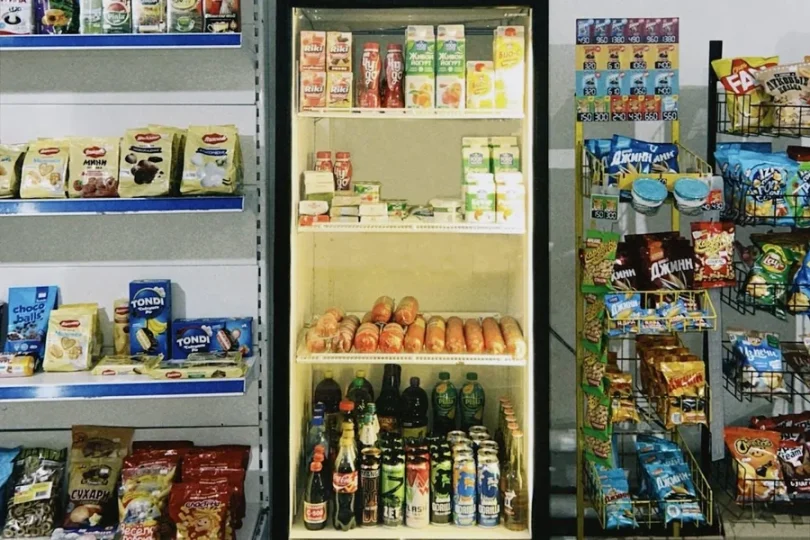

Summer heat often changes how long food stays safe. When temperatures rise, germs multiply more quickly on items you’d think were still good. What looks okay might go bad overnight. Checking your weather data gives clues about in what condition you need to keep your meals fresh. A few extra minutes looking at important methods can help store food safely in hot weather.
#1 Keep perishable foods cold
Baking safety leans hard on keeping temperatures right. When it makes sense, slide perishables into a fridge. The leftovers, stuff like that, end up safer when chilled. Eggs? They belong inside, too.
Food left out too long might surprise you by warming up fast. When the sun beats down, things spoil more quickly than expected. Put groceries away right after getting home if you want them fresh.
#2 Be ready for outdoor activities
Out in the sun, picnics pop up with grills smoking and groups lounging on blankets. Still, keeping food safe steps forward once plates leave the kitchen behind.
Out in the sun too long? Check food closely before eating. Ice packs inside insulated coolers work well to hold low temperatures. When resting outside, find spots under cover to place your food. Planning a trip? Look up the weather data numbers first. That way, you’ll know just how many chill supplies make sense.
#3 Watch Fresh Produce Carefully
Even though fruits look durable, certain kinds start to go bad fast when it’s too warm. Watch them closely; soft spots or odd smells mean trouble. Some veggies wilt within hours if left out in the heat. Freshness slips faster than most expect. What seems fine at breakfast might ooze by dinner. Start by rinsing your fruits and veggies right before you eat; waiting keeps them drier longer. If stored too soon after a wash, damp skins might invite fuzz where none should grow. Cool corners of the fridge hold soft items best, slowing their fade. Grab those tender kinds early; they do not last like harder types.
#4 Store dry goods in cool areas
Some foods stay fine without a fridge. Rice might sit on a shelf just like pasta does. Flour often keeps well in a cupboard. Canned items generally need no cold storage. Still, keep them out of sunbeams along with radiators nearby. Often, a dark, dry cupboard works just right. Every now and then, look closely at wrappers, tears, damp spots, and bugs might show up. When stored well, freshness lasts longer while staying safe to use.
5. Pay attention during power outages
Heat waves often bring surprise blackouts. Without a fridge, your groceries warm up fast. Every time you open the fridge, cold air slips out. Stay safe by limiting how often you peek inside. When electricity comes back, take a close look at what’s stored. Trust your nose if something smells off, toss it. Better empty shelves than a sick stomach.
#6 Avoid overloading the refrigerator
Inside a cluttered fridge, the cooling struggles to keep up. Without room between things, air cannot move freely. Packed shelves block even temperatures. Some spots turn out too warm. Open the fridge less by arranging things smartly. Sliding snacks up front means fewer seconds wasted hunting. Cool air escapes when the door hangs wide, keeping that to a minimum. Stuff you grab every day should live near the handle. Blocking those little airflow slots slows down cooling. Tuck taller containers toward the back so cold air can move freely.
#7 Handle leftovers carefully
Bacteria spread faster when meals stay uncovered under warm air. Though reheating old dishes saves time, care matters more once temperatures rise.
Leftovers chill faster when spread thin inside small boxes. Right after dinner ends, slide them into the fridge.
#8 Store food in airtight containers
Food stays safe when stored in the right kind of container. Heat, dampness, or dirt have less chance to ruin it then. Sealed ones lock out air, which keeps the taste intact. Texture holds up better over time that way.
Start tight, pick glass or safe plastics when storing meals. Lids need a full close every single time. That wall against warmer air makes what is inside last longer than expected.
Conclusion
When it’s hot outside, keeping food safe means paying attention every single day. Tiny actions add up in quiet ways. Weather data matters, just like sealed boxes that block heat. Food stays fresh longer when simple steps are followed. Cooler temperatures help slow spoilage, making storage smarter in summer heat. Confidence at mealtime grows when ingredients feel reliable. Less ends up thrown out if the basics are handled carefully. Staying ahead means small moves add up without effort.