
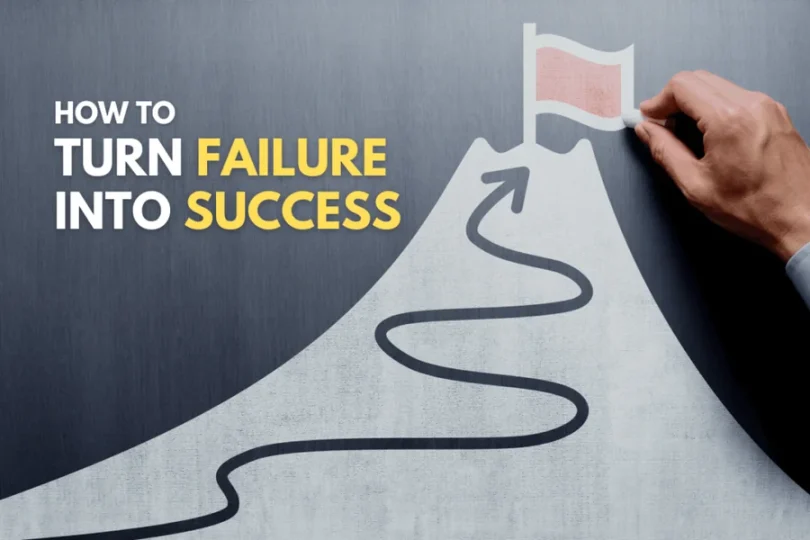

Failure is a word many business owners fear. Yet failure is a common part of every successful journey. Behind most strong businesses there are stories of setbacks wrong decisions and hard lessons. Learning how to turn business failures into success is not about avoiding mistakes but about using them wisely. This article explains how failure can become a powerful teacher when handled with the right mindset and actions.
Understanding Why Business Failures Happen
Business failures happen for many reasons. Some fail because of poor planning. Others fail due to lack of market demand weak cash flow or unclear leadership. Sometimes failure comes from moving too fast or refusing to adapt.
Understanding the true reason behind failure is the first step toward success. Avoid blaming only the market or other people. Honest reflection brings clarity and control. Write down what went wrong and what could have been done differently.
Many business owners also learn by studying real workplace experiences and feedback. Platforms like Rate My Employer offer insight into company culture leadership and management issues that often contribute to failure. These lessons help prevent repeating the same mistakes.
Change Your Mindset About Failure
Mindset shapes how failure affects you. If failure feels like the end it stops growth. If failure feels like feedback it becomes useful.
Successful entrepreneurs see failure as part of learning. They understand that mistakes reveal weak areas that need improvement. This mindset reduces fear and builds resilience.
Instead of asking why did I fail ask what did I learn. This simple shift opens new ideas and solutions. Confidence grows when you accept failure as a step forward rather than a stop sign.
Learn From Mistakes And Take Responsibility
Turning business failures into success requires full responsibility. This does not mean blaming yourself harshly. It means owning decisions and outcomes with honesty.
Review past actions carefully. Look at pricing hiring marketing and communication choices. Identify patterns that led to problems.
Learning happens when lessons turn into action. Adjust strategies change systems and improve skills based on what you learned. Each correction strengthens the next attempt.
Avoid repeating mistakes by documenting lessons. Clear notes create a roadmap for better decisions in the future.
Rebuild With Stronger Planning And Clear Goals
After failure rebuilding should be intentional. Rushing back without a plan often leads to the same outcome.
Start with clear goals. Define what success means now and how to reach it step by step. Set realistic timelines and focus on sustainable growth rather than quick wins.
Planning also includes financial control. Understand costs revenue and risks clearly. Strong planning builds stability and confidence.
Rebuilding is not about starting over blindly. It is about starting smarter with experience guiding every move.
Use Support Feedback And New Skills
No one succeeds alone. After failure support becomes even more important. Mentors peers and teams offer new perspectives that reduce blind spots.
Listen to feedback openly even when it feels uncomfortable. Honest opinions highlight areas for growth.
Invest in learning new skills. Whether it is leadership finance or communication improvement strengthens future performance. Knowledge gained after failure often has deeper impact because it connects to real experience.
Growth accelerates when you stay open to help and learning.
Stay Persistent And Measure Progress
Success after failure takes time. Persistence matters more than motivation. Some days will feel slow but steady effort creates momentum.
Track progress regularly. Measure small wins and improvements. These signs keep confidence alive and show that change is working.
Avoid comparing your journey to others. Every business path is unique. Focus on consistent improvement rather than perfection.
Persistence turns lessons into results and builds long term success.
Final Thought
Learning how to turn business failures into success is one of the most valuable skills an entrepreneur can develop. Failure does not define you but how you respond to it does. With honest reflection strong mindset and practical action failure becomes a guide rather than a barrier. Every setback carries a lesson and every lesson brings you closer to lasting success.