
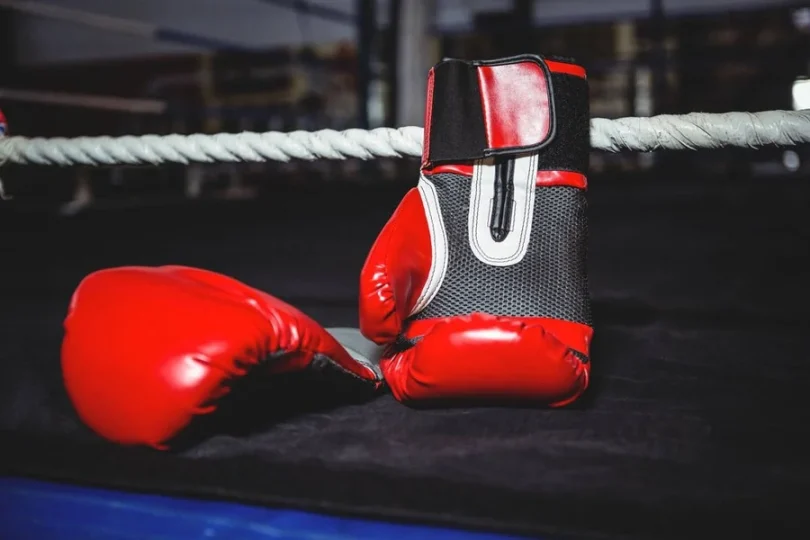

If you’ve ever woken up the morning after a heavy bag session with a dull ache in your knuckles or a sharp twinge in your wrist, you already know the stakes. Boxing is a sport of impact, and your hands are surprisingly fragile. There are twenty-seven small bones in the human hand, and hitting a 100-pound bag with bad form or thin padding is a recipe for a “Boxer’s Fracture.” This is why finding the right boxing gloves isn’t just about style—it’s about career longevity and daily comfort.
In 2026, the technology behind hand protection has reached a peak. We now have access to materials that absorb shock better than ever before. But with so many options, how do you know which one actually has your back (or your wrist)?
1. Yokkao Boxing Gloves
At the top of any list focused on protection and craftsmanship, you have to put Yokkao Boxing Gloves. These are widely considered some of the best in the world for a reason. Handcrafted in Thailand, they represent a perfect marriage between traditional Muay Thai construction and modern boxing ergonomics.
What sets Yokkao apart is the quality of the padding. They use a proprietary multi-layer foam system that doesn’t just “cushion” the blow; it disperses the kinetic energy across the entire surface of the glove. This is crucial for protecting the metacarpals. When you land a heavy cross, you want that impact to be shared, not concentrated on one knuckle.
Their “Matrix” and “Essential” lines are particularly famous for their wrist support. Many boxing gloves have a “floppy” cuff that lets the wrist bend upon impact. Yokkao uses a wide, high-tension hook-and-loop closure that essentially acts as a splint. When you strap these on, your hand and forearm feel like one solid unit. Whether you choose their premium cowhide leather or their high-grade microfiber (which is incredibly durable and animal-friendly), the internal lining stays snug, preventing your hand from sliding around mid-punch.
Website: https://yokkao.com/collections/boxing-gloves
2. Hayabusa T3 Boxing Gloves
If wrist support is your absolute number one priority, the Hayabusa T3 is often the next conversation. These look a bit like something out of a sci-fi movie, but the tech is real. They feature a “Dual-X” interlocking strap system. Most boxing gloves have one strap; these have two that pull in opposite directions.
This design is specifically meant to prevent the wrist from collapsing. If you have a history of wrist sprains or you’re a heavy hitter who tends to “punch through” the target, the T3 provides a level of rigidity that is hard to find elsewhere. The padding is a bit firmer than the Yokkao models, which some people love for the “pop” it gives on the pads, though it may take a few weeks to fully break in.
3. Winning Training Gloves
We can’t talk about hand protection without mentioning “The King of Padding.” Winning is a Japanese brand known for being the safest boxing gloves on the planet. They are often nicknamed “pillows” because the padding is so soft and protective.
If you have chronic hand pain or are recovering from an injury, Winning is the gold standard. The downside? They are incredibly expensive and can be hard to find in stock. However, for a professional or a dedicated amateur who wants to ensure they never bruise a knuckle again, the investment is usually worth it. They don’t have the same aggressive wrist “splinting” as Hayabusa, but the overall ergonomics are legendary.
The Science of Hand Protection: What to Look For
When you are browsing for a new pair of boxing gloves, don’t let the cool graphics distract you from the technical specs. You need to look at three specific areas:
Multi-Layered Foam vs. IMF
Injection Molded Foam (IMF) is one solid piece of foam molded into the shape of a glove. It’s consistent and durable. Layered foam, like what you find in Yokkao Boxing Gloves, uses different densities—a soft layer near the hand for comfort and a denser layer on the outside for impact. Most experts prefer layered foam for serious protection because it handles the “shock” of a punch more dynamically.
Thumb Attachment
Always ensure the thumb is fully attached to the body of the glove. A “floating thumb” is a liability. It can get caught on your opponent’s shoulder or tucked awkwardly during a hook, leading to a jammed or broken thumb. Every high-tier brand today ensures a secure thumb lock.
The “Cuff” Length
A longer cuff generally offers better wrist support. It provides more surface area for the strap to grip your forearm. If the cuff is too short, the glove will pivot at the wrist, which is exactly where most injuries occur.
Choosing the Right Weight for Safety
Weight isn’t just about how heavy the glove feels; it’s about the volume of padding.
- 10oz – 12oz: Great for bag work and mitts. They are lighter and faster, allowing you to work on your “snap.” However, they offer less protection for the person you are hitting (and your own knuckles).
- 14oz – 16oz: The standard for sparring and general training. If you are over 150 lbs, you should probably be training in 16oz boxing gloves. The extra weight builds shoulder endurance, and the extra padding ensures that even if you land a “hot” punch, you aren’t ending your partner’s night—or your own.
Maintenance: Protecting Your Investment
You’ve spent good money on high-quality gear; don’t let them rot in your gym bag. The salt in your sweat will eat through leather and break down foam over time.
After every session, wipe down the exterior. More importantly, open them up as wide as possible and put them in a well-ventilated area. Use cedar “glove dogs” or even just some crumpled newspaper to suck out the moisture. Never, ever leave them in a hot car. The heat will bake the foam, making it brittle and useless for protection.
Conclusion
At the end of the day, the best boxing gloves are the ones that make you feel confident enough to throw at 100% power without hesitation. For most people, that means a pair that balances high-density padding with a secure, locked-in wrist.
Brands like Yokkao have mastered this balance by listening to actual fighters in the gyms of Thailand. Whether you’re a hobbyist hitting the bag for cardio or an amateur preparing for your first bout, your hands are your tools. Treat them with respect, buy the best gear you can afford, and always wrap your hands properly before sliding the gloves on.