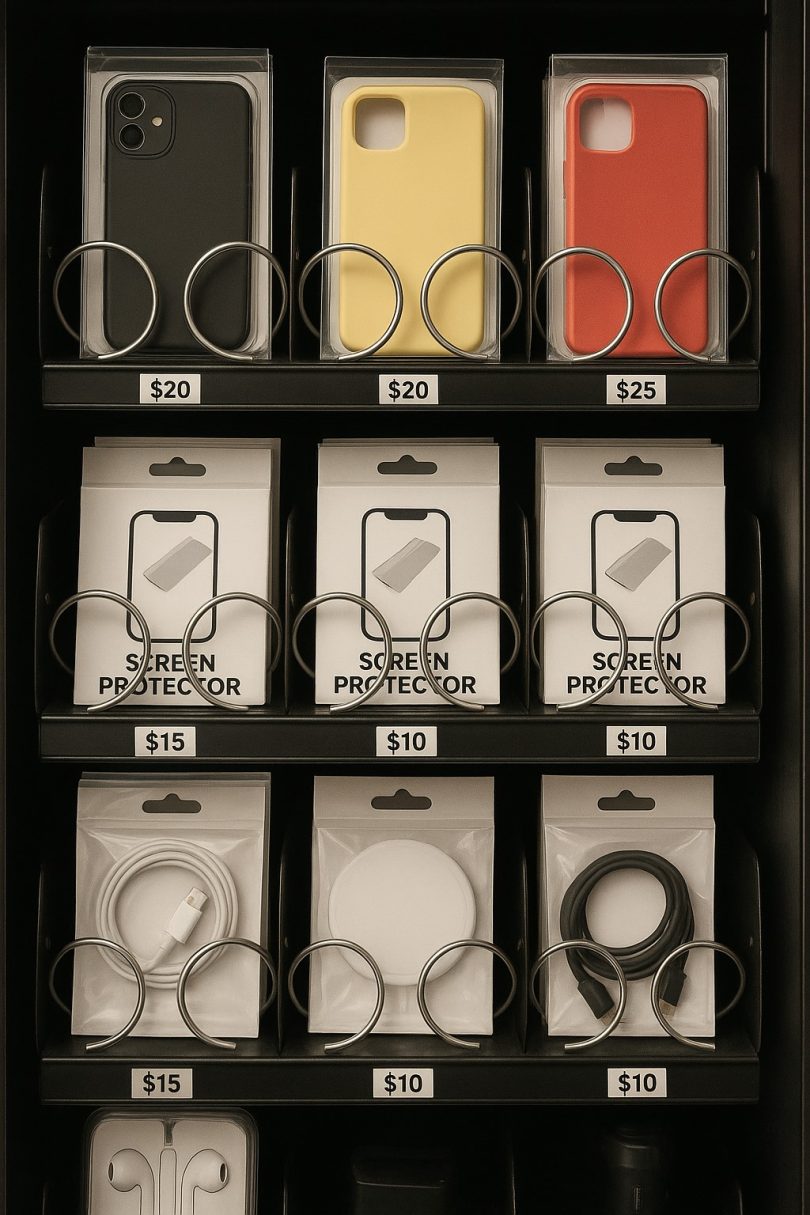

Public spaces today look different from how they did a few years ago. People expect quick access to small products, and businesses are adjusting to this shift. One example is the rise of self-serve machines in malls, stations, parks, college campuses, and busy streets. These machines make it easier for people to pick up basic items without waiting in long lines or searching for a store. Many of these units come from modern makers, including companies such as the phone case vending machine manufacturer, which has become popular for creating compact machines that fit well in crowded areas. This growing trend comes from changes in how people shop, how they spend time outdoors, and how often they rely on quick solutions during the day.
Self-serve machines may look simple, but they fill real needs in public areas. From chargers and snacks to personal care items, they offer small products that people often need on the spot. This makes them practical for parents, students, travelers, and daily commuters. When placed correctly, these machines add convenience to busy spaces and help people avoid the stress of rushing to find a nearby shop. This is one major reason their presence keeps increasing across cities.
Rising Demand for On-the-Go Convenience
People today spend more time outside the home. Long workdays, flexible schedules, and frequent travel mean many are constantly on the move. As a result, the need for quick access to everyday items has grown. Self-serve machines match this lifestyle perfectly. They do not require staff, they run all day, and they offer small products people can grab within seconds. In places where crowds gather, like metro stations or public parks, these machines meet immediate needs in a simple way.
For example, imagine someone dropping a phone case or losing a charger right before a long commute. Finding a store nearby may be difficult, but a small vending unit placed in the right spot solves the problem instantly. This convenience is a major reason public areas are adopting more of these machines.
Businesses Benefit From Low Maintenance and Constant Access
Another reason behind the trend is that businesses see clear value in self-serve machines. These units operate with minimal attention. They are stocked periodically, and most of the work is done through automated systems that track inventory and accept payments. Many businesses like the lower operational cost. A small machine can generate steady sales without needing staff, a storefront, or long working hours.
Public spaces also benefit. A mall or park that offers small self-serve stations creates a more visitor friendly environment. People appreciate having small items available during their visit, which contributes to a better overall experience. Because these machines do not take much space, they fit easily in hallways, corners, and high traffic areas.
A Simple Response to Common Everyday Problems
Most people have experienced moments when they urgently needed a small replacement item. A cracked phone case. A missing cable. A quick snack before catching a bus. A forgotten hygiene item during travel. These are practical problems that happen to almost everyone, and self-serve machines provide simple solutions.
Their popularity also comes from the wide variety of items they can offer. Some machines focus on personal electronics, while others carry cosmetics, travel kits, or snacks. The flexibility helps them fit into different public settings. For example:
- In shopping malls, machines often carry convenience accessories
- In airports, units include travel-friendly items
- In streetside areas, they may carry quick snacks or phone accessories
- In university campuses, students often use them for quick supplies
This variety helps them stay useful to different groups of people.
Technology Without Complexity
One reason self-serve machines work well is that they use technology without making it complicated. People simply walk up, select the item, pay, and walk away. Modern payment options like QR codes, card taps, and mobile wallets make this process easier. There is no learning curve for users because the experience is straightforward. This simplicity keeps people comfortable with using these machines in public spaces.
Businesses also have an easier time monitoring these units thanks to digital systems that track stock, sales, and maintenance needs. This reduces the chance of empty machines and helps operators keep them running smoothly.
Public Spaces Are Becoming More Dynamic
Cities are changing. Public spaces today need to serve different kinds of people, from tourists to students to office workers. Self-serve machines help meet these diverse needs. They fill small gaps that permanent stores cannot always cover. For example, late at night when shops are closed, these machines are still available. During busy hours, they help reduce crowd pressure in stores.
This adaptability makes them useful in many locations, including:
- Metro stations
- Bus terminals
- Colleges
- Airports
- Hospitals
- Tourist spots
- Sports arenas
- Shopping centers
Their ability to adjust to different environments is part of why this trend continues to grow.
Why the Trend Shows No Sign of Slowing Down
Self-serve machines are likely to become even more common in the coming years. With rising demand for quick access, low running cost for businesses, and the everyday needs of busy people, the market for these machines continues to expand. As long as people look for simple ways to solve small problems during their day, public places will continue to adopt these units.
They do not replace traditional stores. Instead, they support them by offering small, quick solutions that do not require a long visit. They help people save time, reduce stress, and move on with their day more easily.
Final Thoughts
The rise of self-serve machines in public spaces is not just a passing trend. It reflects changing habits, growing expectations for convenience, and the need for quick access to useful items. These machines provide small but valuable support to people who are often busy or on the move. With simple operation, easy placement, and strong demand, they have earned a stable place in malls, stations, streets, and many other public areas. As more businesses adopt this model, the presence of self-serve machines will continue to grow and become even more familiar in everyday life.